 Contact Us

Quick Facts About Drain Leaks Into Walls
- Most common cause: Cracks in drain pipes or failed seals
- Average damage cost: $3,000-$8,000 to repair water damage
- Mold growth risk: Begins within 24-48 hours of water exposure
- Most common location: Behind walls in kitchens and bathrooms
- Detection difficulty: Hidden leaks go unnoticed for months or years
- Professional repair cost: $500-$2,000 depending on severity
- Best solution: Early detection prevents catastrophic damage
Water Damage Starting Behind Your Walls Right Now
Your drain is leaking water into your walls and you don’t even know it. Water is traveling through wall cavities destroying insulation, rotting wood, and creating environments where mold thrives. By the time you discover the problem, structural damage might already be severe.
Drain leaks into walls are among the most dangerous plumbing problems homeowners face. Unlike visible leaks you can immediately address, drain leaks into walls progress silently. Water causes damage for months or years before becoming obvious. Once discovered, the repair costs often exceed $5,000 or more.
Understanding the signs of drain leaks into walls helps you catch problems early when repair costs are minimal. Professional diagnosis and repair prevent expensive structural damage and health hazards from mold growth.
What Causes Drains to Leak Into Walls
Several factors cause drain pipes to leak water into walls.
Pipe Corrosion
Older metal drain pipes corrode over time. Corrosion creates holes and weak points where water seeps out. In walls, this water goes undetected and unaddressed causing progressive damage.
Corrosion happens faster in areas with acidic water or chemical exposure. Industrial facilities and certain regions experience faster corrosion than others.
Cracked or Broken Pipes
Drain pipes crack from settling, temperature fluctuations, or external pressure. Once cracked, water leaks at the crack location. If the crack is in a wall, water drips behind the wall causing hidden damage.
Broken pipes from impact or aging allow water to escape drainage systems entirely. Water that should flow through pipes instead flows into surrounding materials.
Failed Pipe Seals and Joints
Drain pipes connect at joints using seals and couplings. Over time, these seals fail allowing water to leak at connection points. Failed seals in walls are particularly problematic because water leaks directly into wall cavities.
Poor Installation
Incorrectly installed drains sometimes have connection problems or improper slopes. Poor installation creates conditions where water escapes pipes and leaks into walls. Fixing installation errors requires professional intervention.
Tree Root Intrusion
Tree roots seek water and sometimes invade drain pipes. As roots grow, they crack and break pipes from inside. Root damage creates leaks that allow water to escape into surrounding soil and structures.
Signs Your Drain Is Leaking Water Into Walls
Several warning signs indicate drain leaks into walls are occurring.
Musty, Moldy Odors
Persistent musty smells in bathrooms or kitchens often indicate water damage in walls. Mold growing in hidden spaces creates these distinctive smells. If you smell mold but don’t see it, drain leaks into walls might be the culprit.
Water Stains on Walls or Ceilings
Brown or yellow stains on interior walls suggest water is seeping through. Stains that appear suddenly or grow larger indicate active water intrusion. Stains below bathrooms or kitchens often come from drain leaks into walls.
Soft or Spongy Drywall
Touch your bathroom or kitchen walls. If drywall feels soft, spongy, or gives when pressed, water has compromised the material. This indicates drain leaks into walls have progressed significantly.
Peeling Paint or Wallpaper
Water damage causes paint and wallpaper to peel or bubble. If your walls show these signs, water is present in the wall structure. Drain leaks into walls often cause this damage pattern.
Visible Mold or Mildew
Black or green mold on walls indicates moisture problems. While mold can appear for various reasons, mold in bathrooms and kitchens near drain locations suggests drain leaks.
Sagging Drywall
Water-saturated drywall sags and deteriorates. Sagging indicates significant water accumulation. Professional assessment is urgent if you notice sagging walls.
Warped Flooring
Wood floors and subfloors warp when exposed to moisture. Warping near drains suggests water is escaping drain pipes and affecting flooring. Damaged drainage systems often require replacement rather than simple repair.
Increased Water Bills
If your water bill increases without explanation, water might be leaking somewhere. Drain leaks into walls waste water that registers on your meter. Unusually high bills warrant investigation.
Why Drain Leaks Into Walls Are Dangerous
Drain leaks into walls create multiple serious problems.
Mold Growth
Mold thrives in damp environments. Water-saturated walls create perfect conditions for mold proliferation. Mold exposure causes respiratory problems, allergies, and other health issues. Extensive mold remediation costs thousands of dollars.
Structural Damage
Water rots wood framing, damages insulation, and weakens building materials. Structural damage compromises your home’s integrity. Extensive structural repairs cost $10,000 or more.
Electrical Hazards
Water in walls can contact electrical wiring creating fire and electrocution hazards. This creates dangerous situations requiring immediate professional attention.
Foundation Problems
Water escaping drains in wall cavities eventually reaches foundations. Prolonged water exposure damages foundations causing settling and cracking. Foundation repairs are expensive and complex.
Decreased Property Value
Properties with water damage history are worth less. Disclosure requirements mean future buyers learn about past problems. Water damage significantly reduces resale value.
How Professional Diagnosis Works
Professional plumbers use specialized equipment to locate drain leaks.
Video Inspection
Video cameras on flexible cables travel through drains revealing cracks, breaks, and problem areas. Video inspection pinpoints leak locations precisely without guessing. Professional drain assessment identifies problems before they become catastrophic.
Moisture Detection
Specialized meters detect moisture in walls even when water isn’t visible. Moisture mapping shows the extent of water intrusion. This information guides repair planning.
Pressure Testing
Plumbers apply water pressure to drain systems to identify escape points. Pressure testing reveals cracks and breaks that might be difficult to find otherwise.
Thermal Imaging
Thermal cameras detect temperature differences indicating water flow through walls. These images reveal hidden leaks precisely.
Professional Fixes for Drain Leaks Into Walls
Several repair options address drain leaks depending on severity and location.
Pipe Repair or Patching
Minor cracks sometimes repair with specialized epoxy patches. Patches stop water leakage at the problem area. This solution works for small cracks and works best caught early.
Pipe Replacement
Severely damaged pipes require complete replacement. Plumbers remove damaged sections and install new pipes. Replacement is more expensive than patching but provides permanent solutions.
Seal and Joint Repair
Failed seals and joints repair by resealing connections. New sealants stop water leakage at connection points. This solution addresses joint failures specifically.
Wall Reconstruction
After repairing pipes, damaged walls need reconstruction. Drywall, insulation, and other materials require replacement. Professional restoration ensures proper installation and mold remediation.
Mold Remediation
If mold is present, professional mold remediation is necessary. Remediation involves removing affected materials, treating surfaces, and ensuring complete mold elimination.
Frequently Asked Questions About Drain Leaks Into Walls
How long can a drain leak into walls before major damage occurs?
Drain leaks can progress silently for months or years before major damage becomes obvious. Mold begins growing within 24-48 hours of water exposure. Structural damage accumulates gradually but becomes severe if leaks continue unaddressed. Early detection is critical. If you suspect drain leaks into walls, professional inspection is urgent to prevent extensive damage.
Can I fix a leaking drain myself or do I need a professional?
Drain leaks into walls require professional diagnosis and repair. Hidden leaks need specialized equipment to locate precisely. Improper repair attempts waste time and money while allowing damage to continue. Professional plumbers identify leak sources, determine repair approaches, and execute fixes correctly. Professional repair prevents costly mistakes and ensures complete problem resolution.
How much does it cost to fix a drain leaking into walls?
Repair costs depend on leak severity and location. Simple patching costs $500-$1,000. Complete pipe replacement costs $1,000-$2,000. Wall reconstruction and mold remediation add $2,000-$5,000 or more. Early detection significantly reduces costs. Addressing small leaks costs far less than repairing extensive water damage.
How can I tell if my drain is leaking into walls versus other water problems?
Professional plumbers use video inspection, pressure testing, and moisture detection to identify drain leaks specifically. These tools pinpoint leak location and cause. If you suspect drain leaks, professional diagnosis confirms the problem before attempting repairs. Don’t guess about water damage sources.
Will homeowners insurance cover drain leak damage?
Most homeowners insurance policies do not cover drain leaks because they’re considered maintenance issues. However, sudden damage from drain failure might be covered. Review your specific policy. Some homeowners carry separate water damage coverage. Consult your insurance agent about your specific situation.
Prevention Tips for Drain Leaks Into Walls
Preventing drain leaks is easier than fixing them.
Regular Professional Inspection
Schedule professional inspections annually or every other year. Video inspections catch problems early before water damage occurs. Regular inspection catches developing problems when repair costs are minimal.
Monitor Water Bills
Sudden water bill increases indicate possible leaks. Track your monthly usage and investigate increases promptly.
Address Drainage Issues Immediately
Slow drains and clogs progress if ignored. Address drainage problems immediately before they cause leaks. Regular drain cleaning prevents clogs that lead to pressure and pipe failure.
Maintain Proper Grading
Ensure soil slopes away from your foundation. Proper grading prevents water from collecting against foundation areas.
Use Quality Materials
When drains need repair, use quality pipes and materials. Budget materials fail faster than quality alternatives.
Conclusion
Drain leaks into walls are serious problems requiring professional attention. Early detection prevents catastrophic damage and expensive repairs. If you notice signs of drain leaks, don’t delay seeking professional diagnosis. Water damage compounds quickly. The small investment in professional inspection prevents thousands in repair costs.
Don’t ignore musty smells, water stains, or soft drywall. These warning signs indicate drain leaks requiring immediate professional evaluation and repair. Getting professional help quickly protects your home and health.
You may also like...
 Drains Unlimited at KBIS 2025: Cutting-Edge Drainage Solutions
Discover how Drains Unlimited’s innovative stainless steel drainage systems can revolutionize your projects at KBIS 2025.

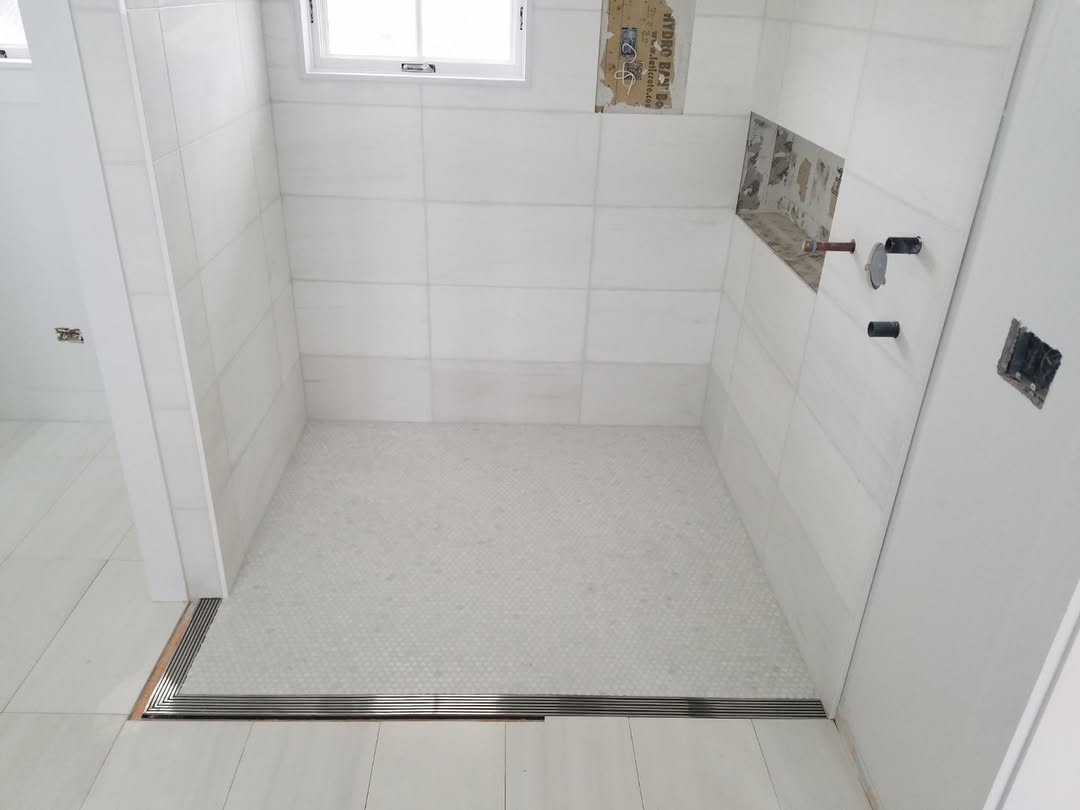 Stainless Steel Drain Installation: Materials, Tools, and Best Practices
Complete guide to professional stainless steel drain installation. Covers materials, tools, techniques, and best practices for long-lasting commercial and residential drainage systems.
 The Ultimate Guide to Stainless Steel Drainage Solutions
Discover everything you need to know about stainless steel drainage systems – from material grades and types to applications across residential, commercial, and industrial settings.