 Contact Us

Food processing plant drainage systems face some of the harshest conditions in industrial environments. Between aggressive cleaning chemicals, high temperatures, organic waste, and strict regulatory requirements, these systems must perform flawlessly to prevent contamination, maintain compliance, and avoid costly shutdowns.
Yet every year, thousands of food processing facilities experience drainage failures that result in FDA violations, product recalls, and millions of dollars in losses. The most devastating part? Nearly 90% of these failures are completely preventable when you understand and avoid the five critical mistakes that destroy drainage systems.
At Drains Unlimited, we’ve worked with food processing plants for over two decades, helping them recover from drainage disasters and implement systems that prevent future failures. This comprehensive guide reveals the exact mistakes that are costing the industry billions and how to avoid them in your facility.
Mistake #1: Choosing the Wrong Stainless Steel Grade
The single most expensive mistake food processing plants make is selecting 304 stainless steel instead of 316 grade for their drainage systems. This seemingly minor decision can cost facilities hundreds of thousands of dollars in premature replacements and contamination incidents.
Why 304 Steel Fails in Food Processing: Food processing environments expose drainage systems to chlorinated sanitizers, acidic cleaning agents, and high-salt conditions from brines and marinades. The chromium-nickel composition of 304 stainless steel simply cannot withstand these aggressive conditions long-term.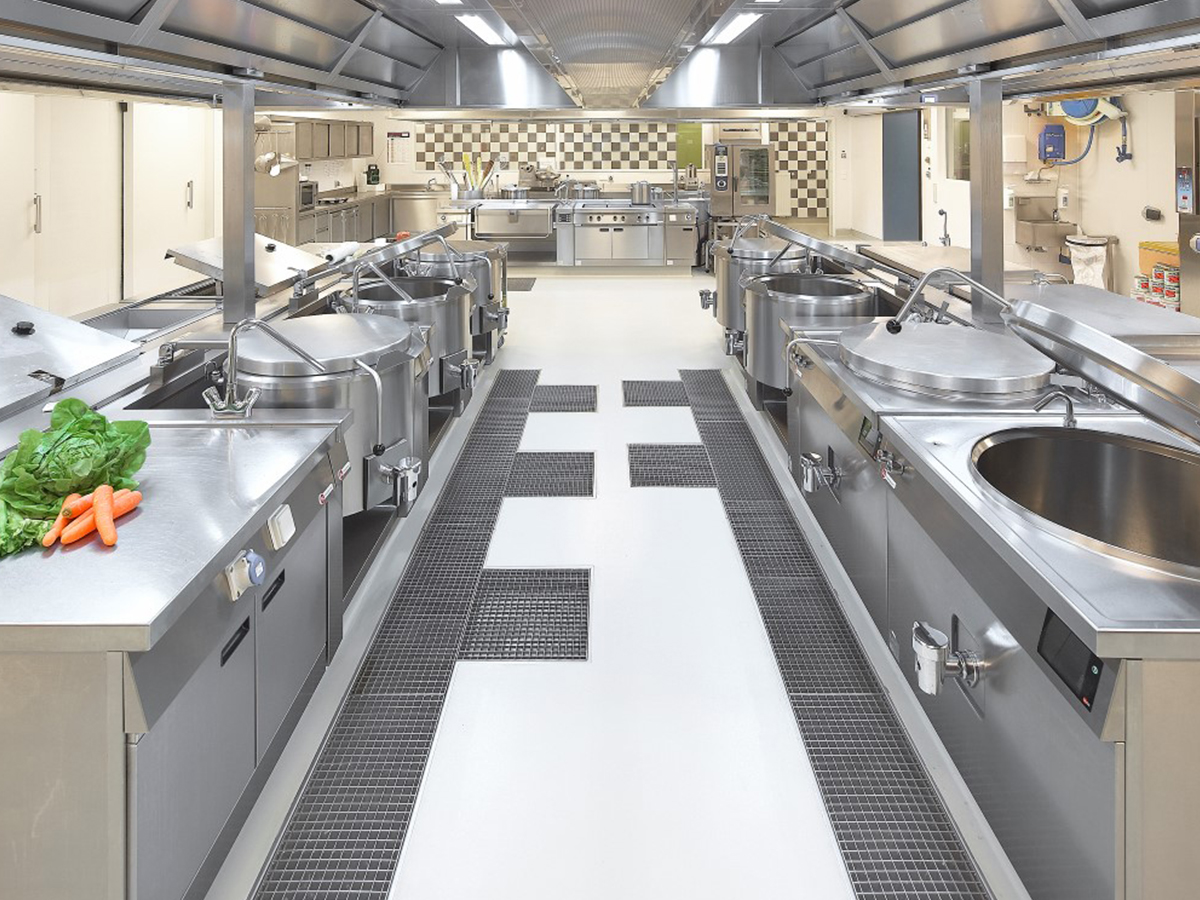
The Molybdenum Difference: 316 stainless steel contains 2-3% molybdenum, which creates a protective barrier against chloride-induced pitting and crevice corrosion. This addition makes 316 steel essential for food processing applications where failure isn’t just expensive – it’s dangerous.
Real-World Failure Case: A major poultry processing plant installed 304 stainless steel drains to save $75,000 on their initial investment. Within 14 months, pitting corrosion led to bacterial contamination that triggered a facility shutdown and $2.1 million product recall. The “savings” from choosing 304 steel cost them nearly 30 times the original system price.
FDA Requirements: The Food and Drug Administration specifically recommends 316 stainless steel for food contact surfaces and drainage systems in processing areas. Using inferior materials can lead to regulatory violations and loss of certification.
Prevention Strategy: Always specify 316 stainless steel for drainage systems in food processing areas. The 20-30% higher initial cost pays for itself through extended service life, reduced maintenance, and prevention of contamination incidents.
Mistake #2: Implementing Poor Drainage Design That Creates Dead Zones
Inadequate drainage design creates standing water and dead zones where bacteria can multiply, leading to contamination that threatens both product safety and regulatory compliance. Poor design decisions made during initial construction often plague facilities for decades.
The Standing Water Problem: Food processing areas must achieve complete drainage within minutes of washdown procedures. Any area where water pools for more than 30 minutes becomes a breeding ground for pathogens like Listeria, Salmonella, and E. coli.
Insufficient Slope Issues: Many facilities use standard construction slopes of 1/8 inch per foot, which is inadequate for food processing environments. Food processing areas require minimum slopes of 1/4 inch per foot, with 1/2 inch per foot preferred for heavily soiled areas.

Dead Zone Creation: Poor drain placement creates areas where water cannot reach drainage points effectively. These dead zones become contamination sources that can spread throughout the facility during cleaning operations.
Undersized Drainage Capacity: Many facilities underestimate the volume of water used during cleaning procedures. Inadequate drainage capacity leads to flooding, cross-contamination, and cleaning failures that compromise food safety.
Cross-Contamination Risks: Improperly designed drainage can allow contaminated water from raw processing areas to flow into ready-to-eat product zones, creating serious food safety violations.
Design Solutions: Work with drainage specialists who understand food processing requirements to create systems with proper slopes, adequate capacity, and strategic drain placement that eliminates dead zones and ensures rapid water removal.
Mistake #3: Inadequate Cleaning Protocols That Compromise System Integrity
Food processing plants often focus cleaning efforts on production equipment while neglecting their drainage systems, creating hidden contamination sources that can compromise entire facilities. Inadequate cleaning protocols don’t just violate regulations – they destroy drainage systems from within.
Biofilm Formation: Organic matter from food processing creates biofilms in drainage systems that protect harmful bacteria from sanitizers. These biofilms can harbor pathogens for months, creating ongoing contamination risks.
Chemical Residue Buildup: Improper cleaning allows fat, oil, grease, and protein residues to accumulate in drainage systems. This buildup restricts flow, creates odors, and provides nutrients for bacterial growth.
Critical Cleaning Requirements:
- Daily removal of visible debris and organic matter
- Weekly deep cleaning with appropriate degreasers
- Monthly biofilm removal using enzymatic cleaners
- Quarterly professional inspection and cleaning
Sanitizer Overuse: Many facilities believe more sanitizer equals better sanitation, but excessive chemical use can actually damage stainless steel drainage systems, creating rough surfaces where bacteria can hide.
Temperature Abuse: Using water temperatures above 180°F during routine cleaning can damage drainage system seals and create thermal stress that leads to premature failure.
Inadequate Rinse Procedures: Failing to thoroughly rinse cleaning chemicals leaves residues that can react with food products or create corrosive conditions that damage drainage systems.
Documentation Failures: Poor record-keeping makes it impossible to identify cleaning effectiveness or track system performance over time, leading to gradual degradation that goes unnoticed until failure occurs.
Prevention Protocols: Implement comprehensive drainage system maintenance programs that include proper cleaning chemicals, correct procedures, and detailed documentation to ensure both food safety and system longevity.
Mistake #4: Ignoring Preventive Maintenance Until Systems Fail
The most costly mistake food processing plants make is treating drainage systems as “install and forget” infrastructure. This reactive approach leads to emergency failures that shut down production lines and create contamination risks.
Hidden Deterioration: Drainage system problems develop gradually and often remain hidden until catastrophic failure occurs. By the time visible problems appear, damage is typically extensive and expensive to repair.
Seal and Gasket Failure: Food processing environments are particularly hard on sealing materials. Temperature fluctuations, chemical exposure, and mechanical stress cause seals to degrade, allowing contamination to enter the system.
Corrosion Monitoring: Regular inspection for early signs of corrosion allows for preventive action before system integrity is compromised. Waiting until corrosion is visible often means replacement is the only option.
Flow Capacity Testing: Drainage systems lose capacity over time due to buildup, damage, and wear. Regular flow testing identifies problems before they cause flooding or cleaning failures.
Grating and Cover Issues: Damaged or improperly fitting grates create safety hazards and allow large debris to enter drainage systems, causing blockages and damage.
Emergency Response Planning: Facilities without maintenance programs often lack emergency response procedures, leading to extended downtime when failures occur.
Predictive Maintenance Benefits: Proper maintenance programs can extend drainage system life by 300-500% while preventing 95% of emergency failures through early detection and intervention.
Cost Comparison: Emergency drainage repairs typically cost 5-10 times more than preventive maintenance due to production disruption, emergency labor rates, and expedited material costs.
Mistake #5: Using Incompatible Cleaning Chemicals
Chemical incompatibility represents one of the most overlooked causes of drainage system failure in food processing plants. Using the wrong cleaning chemicals can destroy even high-quality 316 stainless steel drainage systems within months.
Chloride-Based Cleaners: While effective for sanitization, many chlorine-based cleaners contain high concentrations of chlorides that can cause pitting corrosion even in 316 stainless steel when not properly rinsed.
Safe Chemical Guidelines:
- pH Range: Keep cleaning solutions between pH 3-11 for stainless steel
- Contact Time: Limit acid exposure to maximum 15 minutes
- Temperature: Avoid temperatures above 160°F with strong chemicals
- Rinse Procedures: Immediate thorough rinsing after chemical application
Acid Compatibility Issues: Strong acids used for mineral deposit removal can damage stainless steel if contact time or concentration exceeds safe limits. Phosphoric acid cleaners are generally safer than hydrochloric or sulfuric acid formulations.
Alkaline Cleaner Concentration: High-concentration alkaline cleaners can cause stress corrosion cracking in stainless steel, particularly at elevated temperatures. Always follow manufacturer dilution recommendations.
Chemical Mixing Hazards: Mixing different cleaning chemicals can create corrosive conditions that damage drainage systems. Some combinations produce chlorine gas or other dangerous compounds.
Abrasive Cleaners: Using cleaners containing abrasive particles damages the passive layer on stainless steel, making it more susceptible to corrosion and bacterial adhesion.
Inadequate Material Testing: Many facilities adopt new cleaning chemicals without testing compatibility with their drainage materials, leading to unexpected failures months later.
Supplier Coordination: Work with chemical suppliers who understand food processing drainage requirements and can recommend compatible products that maintain both cleaning effectiveness and system integrity.
How to Prevent Drainage System Failures in Your Facility
Preventing drainage system failures requires a comprehensive approach that addresses material selection, design, installation, and ongoing maintenance. The most successful food processing plants treat drainage as a critical food safety system, not just infrastructure.
Material Specification Standards: Always specify 316 stainless steel for food processing drainage systems, regardless of initial cost considerations. Include specifications for proper welding procedures, surface finishes, and installation requirements.
Design Review Process: Work with drainage specialists who understand food processing requirements during the design phase. Include adequate slopes, proper drain placement, and sufficient capacity for cleaning procedures.
Installation Quality Control: Ensure installers understand food processing requirements and follow proper procedures for welding, sealing, and testing. Poor installation can compromise even the best materials and design.
Comprehensive Maintenance Programs: Implement preventive maintenance schedules that include regular inspection, cleaning verification, and performance testing to identify problems before they cause failures.
Chemical Compatibility Testing: Test all cleaning chemicals for compatibility with drainage materials before implementation. Work with suppliers who understand stainless steel requirements and can recommend safe formulations.
Staff Training Programs: Train cleaning and maintenance staff on proper procedures, chemical handling, and early warning signs of drainage problems. Well-trained staff can prevent most drainage failures through proper care.
Documentation and Tracking: Maintain detailed records of cleaning procedures, maintenance activities, and system performance to identify trends and optimize programs over time.
Conclusion: Protecting Your Investment and Food Safety
Food processing plant drainage systems represent critical infrastructure that directly impacts product safety, regulatory compliance, and operational costs. The five mistakes outlined in this guide have cost the industry billions of dollars and countless contamination incidents that could have been prevented with proper knowledge and procedures.
The key to success lies in understanding that drainage systems in food processing environments face unique challenges that require specialized materials, design, and maintenance approaches. Treating these systems as standard industrial drainage is a recipe for failure.
At Drains Unlimited, we’ve helped hundreds of food processing facilities avoid these costly mistakes through proper material selection, expert design, and comprehensive maintenance programs. Our industrial drainage solutions are specifically engineered to meet the demanding requirements of food processing environments.
Remember that the cost of prevention is always less than the cost of failure. Investing in proper materials, design, and maintenance protects not just your drainage system, but your entire operation’s reputation and profitability.
Frequently Asked Questions
How often should food processing drainage systems be professionally inspected?
Professional inspections should occur quarterly, with daily visual checks by facility staff and monthly detailed cleaning verification.
What’s the minimum slope required for food processing area drainage?
Food processing areas require minimum slopes of 1/4 inch per foot, with 1/2 inch per foot preferred for heavily soiled areas.
Can 304 stainless steel ever be used in food processing drainage?
304 steel should be avoided in food processing areas due to chloride susceptibility; 316 steel is required for safety and compliance.
You may also like...

 Custom Drainage Solutions: From Precise Installation to Drainage System Longevity
Discover how custom drainage solutions with precision installation ensure decades of reliable performance.

 Industrial Point Drains: A Key to Unlocking Water Efficiency in Commercial Facilities
Discover the benefits of industrial point drains for your commercial facility. Learn about applications, installation, maintenance best practices, and choosing the right drain from the experts at…