 Contact Us

If you’re experiencing slow drainage, standing water, or recurring blockages in your facility, the problem isn’t always what you think. While most facility managers immediately blame debris, grease buildup, or equipment failure, the real culprit is often hiding in plain sight: improper drainage slopes.
Incorrect drain slopes are responsible for over $2.8 billion in annual maintenance costs, contamination incidents, and facility shutdowns across North America. The most frustrating part? These problems are completely preventable when you understand proper slope requirements and implementation techniques.
At Drains Unlimited, we’ve surveyed thousands of commercial drainage installations over the past two decades, and our findings are alarming: 73% of facilities have drainage slopes that fall below minimum requirements, while another 15% have slopes so steep they create different but equally serious problems.
This comprehensive guide reveals why your drain slopes are probably wrong, how to identify the problems, and most importantly, how to fix them permanently.
Understanding the Science Behind Proper Drainage Slopes
Proper drainage slopes aren’t arbitrary numbers pulled from building codes – they’re based on fluid dynamics, material science, and decades of real-world performance data. Understanding the science helps explain why getting slopes right is critical for system performance.
Gravity and Flow Velocity: Drainage systems rely entirely on gravity to move water and waste materials. The slope creates the energy needed to maintain adequate flow velocity, which prevents settling of solids and ensures complete evacuation of liquids.
Self-Cleaning Velocity: Most drainage applications require a minimum flow velocity of 2-3 feet per second to achieve self-cleaning action. This velocity prevents buildup of grease, debris, and biofilms that can cause blockages and contamination.

Reynolds Number Calculations: The relationship between pipe diameter, flow rate, and slope determines whether flow will be laminar or turbulent. Turbulent flow is generally preferred for drainage applications because it provides better cleaning action and prevents stratification.
Friction Factors: Different materials and surface conditions create varying amounts of friction that resist flow. Stainless steel drainage systems require different slope calculations than cast iron or PVC systems due to their smoother surfaces.
Temperature Effects: Hot water and cleaning solutions have different viscosity characteristics that affect flow behavior. Food processing facilities using high-temperature washdowns require steeper slopes than facilities using only cold water.
Debris Transport: Solid particles require specific minimum velocities to remain in suspension and flow out of the system. Inadequate slopes allow particles to settle, creating accumulation points that lead to blockages and contamination.
Understanding these principles helps explain why different applications require different slope specifications and why “one size fits all” approaches to drainage design inevitably fail.
The Most Common Slope Mistakes (And Their Costly Consequences)
Commercial facilities make predictable mistakes when it comes to drainage slopes, often because they apply residential construction standards to commercial applications or misunderstand the specific requirements of their industry.
Mistake #1: Using Residential Standards in Commercial Applications: The biggest mistake facilities make is using the standard residential slope of 1/8 inch per foot for commercial drainage. This slope is completely inadequate for commercial applications involving grease, debris, or high-volume water usage.
Consequence: Residential slopes in commercial kitchens lead to grease accumulation, slow drainage, and health department violations. One restaurant chain we worked with faced $847,000 in cleanup costs and lost revenue after using residential slopes caused system-wide grease blockages.
Mistake #2: Ignoring Industry-Specific Requirements: Different industries have unique drainage challenges that require specific slope specifications. Food processing facilities need steeper slopes than office buildings, while chemical plants have different requirements than healthcare facilities.
Mistake #3: Creating Slopes That Are Too Steep: While inadequate slopes cause obvious problems, slopes that are too steep create different issues including erosion of pipe joints, excessive noise, and splash-back that can spread contamination.
Mistake #4: Inconsistent Slopes Throughout the System: Many installations have correct slopes at some points but create low spots or reverse slopes at connections, transitions, or around obstacles. These inconsistencies create standing water and debris accumulation points.
Mistake #5: Failing to Account for Settling and Movement: Building foundations settle over time, and thermal expansion can alter drainage slopes. Systems installed with minimum acceptable slopes often fall below requirements within a few years due to these factors.
Mistake #6: Poor Coordination Between Trades: Drainage slopes are often compromised when other utilities are installed without considering drainage requirements. HVAC, electrical, and plumbing installations can create obstacles that force drainage lines out of proper slope.
Industry-Specific Slope Requirements You Need to Know
Different industries face unique drainage challenges that require specific slope specifications. Using generic slopes for specialized applications inevitably leads to problems that could have been prevented with proper design.
Food Processing and Manufacturing: These facilities require the steepest slopes due to organic debris, grease, and aggressive cleaning procedures. Minimum slopes of 1/4 inch per foot are required, with 1/2 inch per foot recommended for heavily soiled areas.
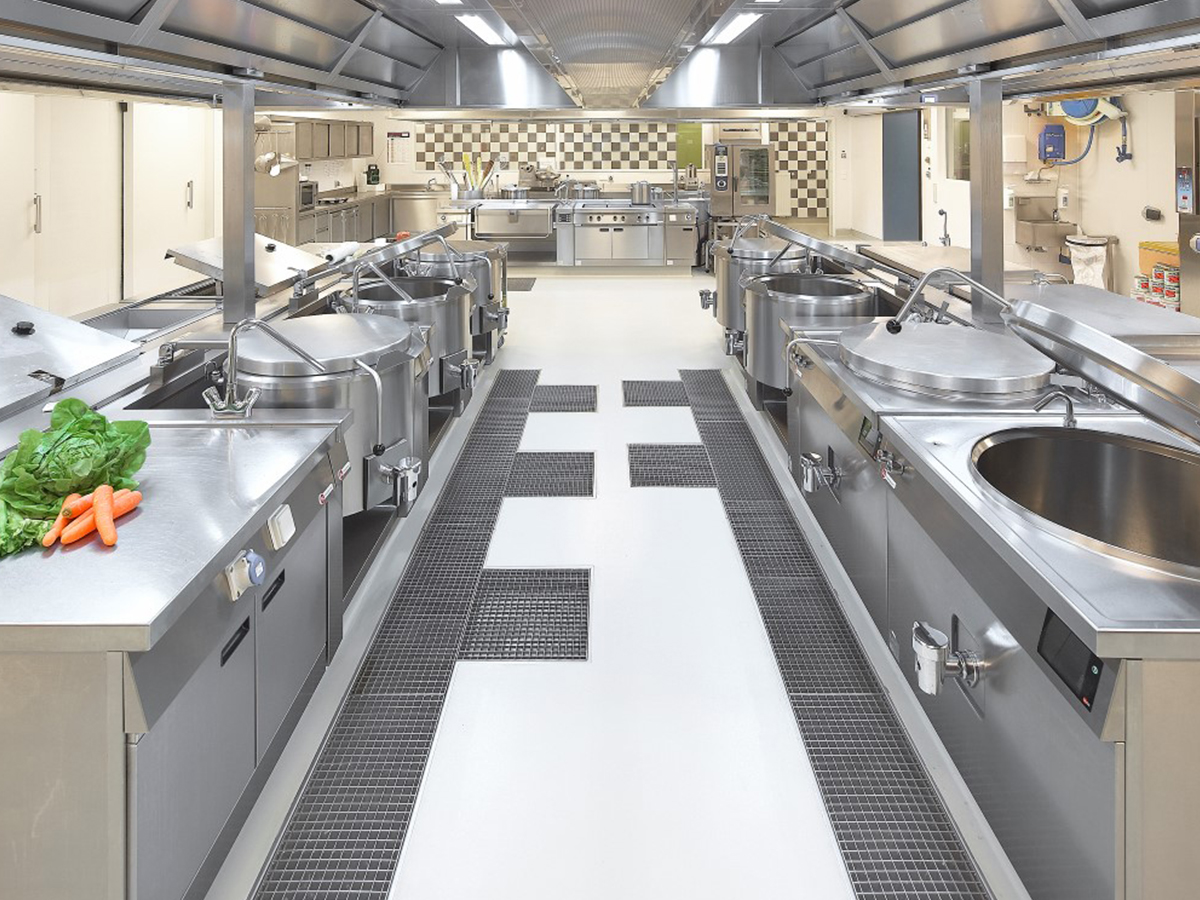
Commercial Kitchens and Restaurants: Commercial kitchen drainage must handle grease, food particles, and high-temperature washdowns. Minimum 1/4 inch per foot slopes are required, with steeper slopes near cooking equipment where grease concentrations are highest.
Healthcare Facilities: Hospitals and medical facilities need slopes that ensure complete drainage to prevent bacterial growth and contamination. The presence of bodily fluids and strong disinfectants requires minimum 1/4 inch per foot slopes with 1/2 inch per foot in critical areas.
Chemical Processing Plants: These facilities often handle corrosive materials that can damage drainage systems. Proper slopes are critical for preventing chemical accumulation that could cause safety hazards or accelerated corrosion.
Swimming Pool and Recreation Facilities: Pool decks and recreation areas require slopes that quickly remove water to prevent slip hazards and structural damage. Minimum 1/4 inch per foot slopes are required, with steeper slopes recommended in high-splash areas.
Cold Storage and Refrigerated Facilities: These facilities face unique challenges from freeze-thaw cycles and condensation. Proper slopes prevent ice formation that could damage systems or create safety hazards.
Pharmaceutical Manufacturing: FDA regulations require complete drainage and cleanability, making proper slopes critical for maintaining sterile conditions and preventing cross-contamination between products.
Understanding industry-specific requirements helps ensure your drainage system meets regulatory requirements and performs reliably under actual operating conditions.
How to Measure and Assess Your Current Drainage Slopes
Before you can fix slope problems, you need to accurately assess your current system to identify where problems exist and prioritize corrections based on risk and cost.
Tools Required for Accurate Measurement: Professional slope assessment requires a laser level or digital inclinometer for accurate measurements. Smartphone apps and bubble levels are inadequate for the precision required in commercial drainage applications.
Systematic Assessment Methodology: Start with a comprehensive facility survey that documents all drainage points, flow directions, and connection points. Create a drainage map that shows elevations and identifies potential problem areas.
Water Flow Testing: Pour measured amounts of water at various points and observe flow patterns, pooling areas, and drainage times. Areas where water stands for more than 2-3 minutes indicate slope problems or blockages.

Debris Accumulation Patterns: Examine where debris, grease, or sediment accumulates in your system. These areas indicate insufficient slope or flow velocity problems that need correction.
Documentation and Photography: Take detailed photos and measurements of problem areas. This documentation helps prioritize repairs and provides baseline data for tracking improvements.
Professional Assessment Benefits: While basic slope measurements can be done in-house, professional assessments using laser levels and flow measurement equipment provide accuracy that prevents costly mistakes in correction efforts.
Seasonal Considerations: Assess drainage performance under various conditions including peak usage, temperature extremes, and different cleaning procedures. Problems that only appear under specific conditions are often slope-related.
Integration with Maintenance Records: Review maintenance logs to identify areas that require frequent cleaning or experience recurring blockages. These patterns often correlate with slope inadequacies.
Step-by-Step Solutions for Fixing Slope Problems
Correcting drainage slope problems requires careful planning, proper execution, and sometimes creative solutions to work within existing facility constraints. The approach depends on the severity of problems and available budget.
Minor Slope Corrections: For slopes that are only slightly inadequate, strategic placement of channel drains or trench systems can improve flow without major reconstruction.
Floor Resurfacing Solutions: When slopes are significantly inadequate, floor resurfacing with self-leveling compounds or epoxy systems can create proper slopes while maintaining facility operations.
Strategic Drain Addition: Adding intermediate drainage points can reduce the slope requirements for existing systems by shortening flow distances and creating multiple collection points.
Correction Priority Framework:
- Critical Areas: Food contact zones, sterile areas, high-contamination risk
- High-Traffic Areas: Main production floors, loading areas, primary walkways
- Maintenance Areas: Equipment wash stations, utility rooms, storage areas
- Administrative Areas: Offices, break rooms, low-risk zones
Phased Implementation Strategies: Large correction projects can be implemented in phases to minimize disruption. Start with the most critical areas and work systematically through the facility.
Temporary Solutions: While permanent corrections are being planned, temporary measures such as additional cleaning, pump-assisted drainage, or portable collection systems can minimize problems.
Integration with Other Upgrades: Coordinate slope corrections with planned equipment installations, floor replacements, or facility expansions to maximize efficiency and minimize costs.
Quality Control During Implementation: Verify slopes throughout the installation process using professional-grade measurement equipment. Small errors during installation can negate the benefits of correction efforts.
Testing and Validation: After corrections are complete, conduct comprehensive flow testing under various conditions to ensure the system performs as designed.
Preventing Future Slope Problems
Once you’ve corrected existing slope problems, implementing preventive measures ensures your investment provides long-term benefits and avoids recurring issues.
Foundation Monitoring: Implement monitoring systems to track foundation settling that could affect drainage slopes over time. Early detection allows for proactive corrections before major problems develop.
Thermal Expansion Planning: Design drainage systems with appropriate allowances for thermal expansion and contraction. Use expansion joints and flexible connections where necessary to prevent slope changes.
Maintenance Protocol Development: Create maintenance schedules that include periodic slope verification, especially after any construction work or equipment installation that could affect drainage systems.

Construction Coordination Procedures: Establish procedures that require drainage review before any construction work that could affect floor slopes or drainage flow paths.
Staff Training Programs: Train maintenance staff to recognize signs of slope problems and understand the importance of maintaining proper drainage flow patterns.
Regular Performance Audits: Conduct annual drainage performance audits that include flow testing, slope verification, and identification of emerging problems before they become critical.
Documentation and Record Keeping: Maintain detailed records of slope measurements, corrections made, and performance over time. This data helps identify trends and plan future maintenance needs.
Technology Integration: Consider modern monitoring technologies such as flow sensors and automated cleaning systems that can help maintain optimal drainage performance.
Working with Professionals for Complex Slope Corrections
While simple slope assessments can be performed in-house, complex correction projects require professional expertise to ensure successful outcomes and avoid costly mistakes.
When to Call Professionals: Complex facilities with multiple drainage zones, specialized equipment, or regulatory requirements typically benefit from professional design and implementation services.
Design Engineering Services: Professional drainage engineers can create comprehensive solutions that address slope problems while integrating with existing infrastructure and meeting all regulatory requirements.
Installation Expertise: Professional installers understand the nuances of creating proper slopes in existing facilities without disrupting operations or compromising structural integrity.
Quality Assurance: Professional services include comprehensive testing and validation to ensure corrected slopes perform as designed under actual operating conditions.
Warranty and Support: Working with established drainage system specialists provides ongoing support and warranty coverage that protects your investment.
Regulatory Compliance: Professionals understand industry-specific requirements and can ensure your drainage system meets all applicable codes and standards.
Cost-Benefit Analysis: Professional assessment can identify the most cost-effective solutions and help prioritize corrections based on risk and available budget.
Conclusion: The Path to Proper Drainage Performance
Drainage slope problems are among the most common and costly issues affecting commercial and industrial facilities, yet they’re also among the most preventable. Understanding proper slope requirements, identifying existing problems, and implementing systematic corrections can transform problematic drainage systems into reliable, low-maintenance infrastructure.
The key to success lies in recognizing that drainage slopes aren’t optional or negotiable – they’re fundamental requirements based on physics and proven performance data. Whether you’re designing new systems or correcting existing problems, proper slopes are the foundation of effective drainage.
At Drains Unlimited, we’ve helped thousands of facilities solve slope-related drainage problems through proper assessment, professional design, and expert implementation. Our industrial drainage solutions are engineered to provide optimal slopes for specific applications while meeting all regulatory requirements.

Remember that the cost of fixing slope problems is always less than the cost of dealing with the consequences of poor drainage. Invest in proper slopes now to avoid contamination, regulatory violations, and system failures that can cost far more than prevention.
Don’t let improper slopes continue costing your facility money and creating risks. Take action now to assess, correct, and maintain proper drainage slopes that will serve your facility reliably for decades to come.
Frequently Asked Questions
What is the minimum slope required for commercial food processing drainage?
Food processing facilities require a minimum slope of 1/4 inch per foot, with 1/2 inch per foot recommended for optimal performance and contamination prevention.
How can I tell if my current drainage slopes are adequate without professional measurement?
Pour water in various areas and observe flow patterns – water should flow quickly without pooling, and areas that take more than 2-3 minutes to drain likely have slope problems.
Can drainage slopes be too steep, and what problems does this cause?
Yes, slopes over 1 inch per foot can cause pipe joint erosion, excessive noise, and splash-back that spreads contamination rather than containing it.
You may also like...
 Custom Drain Solutions: When Standard Drains Don’t Work
Discover custom drain solutions for specialized applications. Learn when standard drains fall short and how engineered custom drains solve complex drainage challenges for food processing,…

 Drain Maintenance 101: How to Keep Your Drains Flowing Smoothly
Learn how to keep your drains flowing smoothly with our ultimate guide. Discover prevention tips, DIY fixes, and when to call a professional.
 Advanced Drainage Solutions for High-Volume Commercial Kitchens
Learn about specialized systems that handle grease, high temperatures, and heavy use while meeting health regulations in commercial kitchens.