 Contact Us

When drainage problems strike, the immediate instinct is to find the cheapest, fastest fix possible. After all, why spend $25,000 on a premium replacement when a $2,500 repair can “solve” the problem today? This seemingly logical approach has cost American businesses over $2.3 billion annually in unnecessary expenses, emergency repairs, and catastrophic failures.
The reality is counterintuitive but mathematically proven: cheap drain repairs almost always cost significantly more than premium replacements when you calculate the total cost over time. At Drains Unlimited, we’ve tracked thousands of repair vs. replacement decisions over two decades, and the data is undeniable.
This comprehensive analysis reveals why the “economical” choice often becomes the most expensive mistake you can make, and how to break the cycle of endless repairs that drain your budget and threaten your operations.
The Hidden Mathematics of Cheap Repairs
The true cost of cheap drain repairs extends far beyond the initial invoice. While premium replacements require larger upfront investments, cheap repairs create cascading expenses that compound over time, ultimately costing 3-5 times more than doing it right the first time.
The Repair Multiplication Effect: Cheap repairs rarely address root causes, creating a cycle where each “fix” leads to additional problems. A $2,500 patch repair often leads to a $3,500 emergency repair six months later, followed by a $4,200 “upgraded” repair, and eventually a $15,000 system replacement when everything finally fails.
Emergency Premium Pricing: When cheap repairs fail during critical times, emergency service rates can be 200-400% higher than planned maintenance costs. That weekend emergency call for a failed repair can cost more than the original premium replacement would have cost.
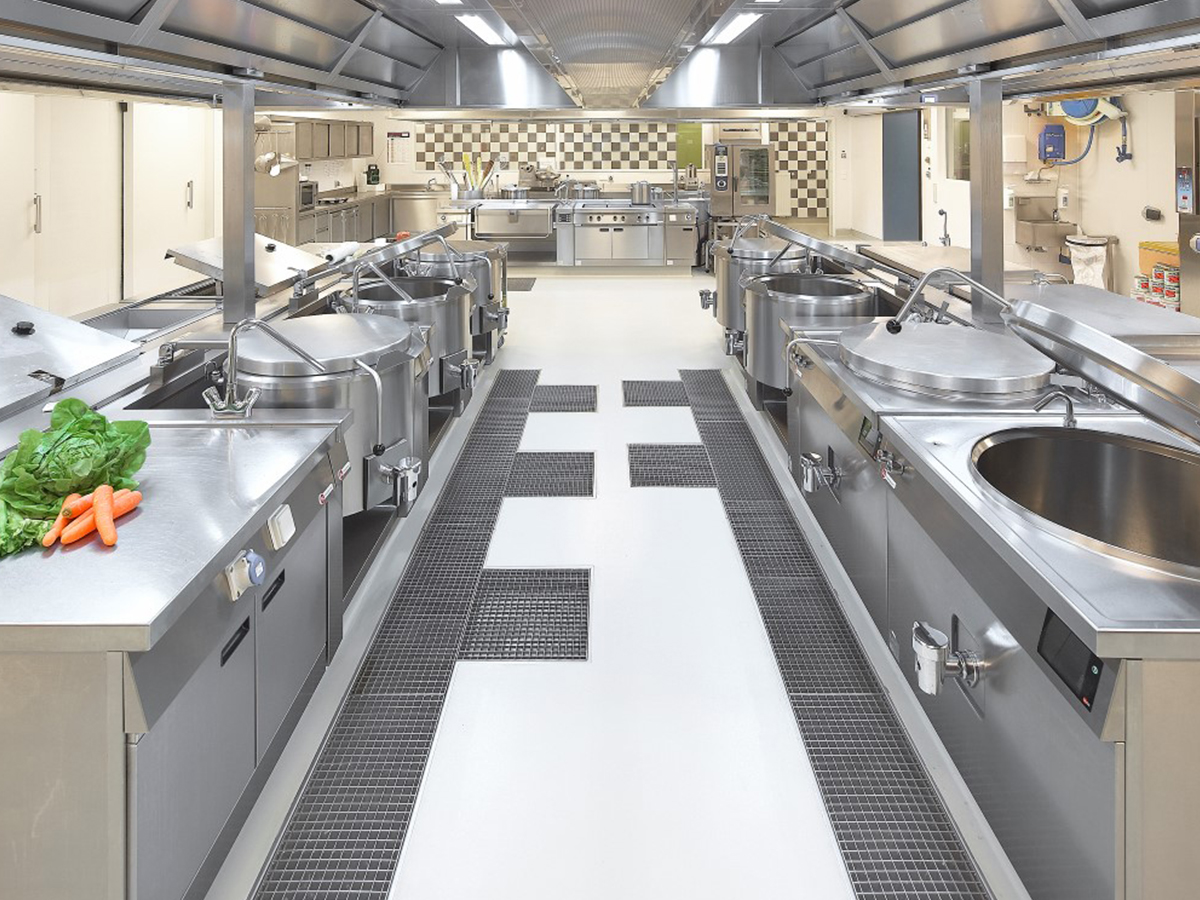
Downtime Multiplication: Each repair failure creates operational downtime that grows progressively worse. The first failure might shut down operations for 4 hours, but subsequent failures often require days or weeks to properly address, especially when systems fail during peak operational periods.
Labor Cost Escalation: Multiple repair visits consume far more labor hours than a single replacement project. When you factor in mobilization costs, setup time, and coordination requirements, three repair visits often cost more in labor than one comprehensive replacement.
Material Waste: Cheap repairs often involve incompatible materials or temporary solutions that must be completely removed during eventual replacement. This creates 100% material waste plus additional disposal costs.
Why Cheap Repairs Fail So Predictably
Understanding why cheap repairs fail helps explain why they’re ultimately more expensive than premium replacements. The failure patterns are so consistent that they’re essentially guaranteed to occur.
Band-Aid Solutions: Cheap repairs focus on symptoms rather than root causes. A drain that’s corroding due to chemical incompatibility will continue corroding regardless of surface patches or temporary fixes.
Material Mismatch Problems: Budget repairs often use inferior materials that don’t match the performance characteristics of the original system. This creates galvanic corrosion, thermal expansion mismatches, and chemical compatibility issues that accelerate failure.
Inadequate Engineering: Cheap repairs rarely involve proper engineering analysis to ensure the solution addresses all failure modes. This leads to new problems in adjacent areas or different failure mechanisms in the same location.
The True Cost of Downtime in Repair Cycles
The most devastating hidden cost of cheap repairs is operational downtime that grows progressively worse with each failure cycle. Understanding these costs reveals why premium replacements are actually the economical choice.
Progressive Downtime Escalation: The first repair might cause minimal disruption, but subsequent failures often occur during peak operational periods and require increasingly complex repairs that shut down larger portions of the facility.
Emergency Scheduling Conflicts: When cheap repairs fail unexpectedly, emergency service providers may not be immediately available, extending downtime far beyond the actual repair time. Premium replacements can be scheduled during planned maintenance windows.
Cascading System Failures: Cheap repairs often create stress points that cause failures in adjacent systems. A patched drain that restricts flow might cause backups that damage flooring, equipment, and electrical systems.

Production Quality Issues: Failing drainage systems can cause contamination, temperature control problems, or cleaning difficulties that affect product quality long before complete system failure occurs.
Regulatory Compliance Risks: Cheap repairs may not meet current regulatory standards, creating compliance risks that can result in facility shutdowns, fines, or loss of certifications that cost far more than premium replacements.
Staff Productivity Impacts: Repeated drainage problems create operational inefficiencies as staff must work around problem areas, modify procedures, or perform additional cleaning and monitoring tasks.
Customer and Reputation Costs: Drainage failures that affect product quality, delivery schedules, or facility operations can damage customer relationships and reputation in ways that are difficult to quantify but extremely expensive to repair.
Premium Replacement Benefits That Justify the Investment
Premium drainage replacements deliver value that cheap repairs can never provide, making them the truly economical choice when all factors are considered over the system’s operational life.
Root Cause Resolution: Premium replacements address underlying problems rather than just symptoms. This means solving drainage issues permanently rather than managing ongoing problems indefinitely.
Material Science Advantages: Premium systems use 316 stainless steel and other advanced materials specifically engineered for harsh environments. These materials provide decades of reliable service in conditions that destroy cheaper alternatives.
Comprehensive Engineering: Premium replacements include proper engineering analysis to ensure the solution addresses all potential failure modes and integrates properly with existing systems.
Future-Proofing: Premium systems are designed to handle not just current requirements but anticipated future needs, including increased capacity, regulatory changes, and operational modifications.
Premium Replacement Value Drivers:
- 20-30 Year Service Life: vs. 6-18 months for cheap repairs
- Comprehensive Warranties: Transferring risk from facility to manufacturer
- Predictable Maintenance: Scheduled service vs. emergency repairs
- Regulatory Compliance: Meeting current and anticipated future standards
- Energy Efficiency: Reduced pumping and treatment costs
Installation Quality: Premium replacements include professional installation with proper procedures, testing, and documentation that ensures optimal performance from day one.
Maintenance Programs: Premium systems often include comprehensive maintenance programs that prevent problems before they occur, eliminating the emergency repair cycle entirely.
Technology Integration: Modern premium systems can include monitoring and control capabilities that provide early warning of potential problems and optimize operational efficiency.
Breaking the Cheap Repair Cycle
Facilities trapped in cycles of cheap repairs can break free by understanding the decision-making process and implementing strategies that prioritize long-term value over short-term cost savings.
Total Cost of Ownership Analysis: Calculate the true cost of repairs including downtime, labor, materials, and risk factors over a 10-year period. This analysis almost always favors premium replacement over repeated cheap repairs.
Risk Assessment: Evaluate the consequences of drainage failure for your specific operation. High-risk facilities where failure causes contamination, safety issues, or significant downtime should always choose premium solutions.
Vendor Qualification: Work with drainage specialists who can provide both repair and replacement options with honest assessments of which approach provides better long-term value.
Financial Planning: Explore financing options, tax benefits, and depreciation strategies that make premium replacements more financially attractive than repeated repair expenses.
When Repairs Make Sense vs. When Replacement Is Essential
Understanding when repairs are appropriate versus when replacement is essential helps facilities make informed decisions that optimize both cost and performance.
Appropriate Repair Scenarios: Repairs make sense for newer systems with isolated problems, minor damage that doesn’t affect system integrity, or temporary solutions while planning comprehensive replacements.
Essential Replacement Indicators: Replace systems when facing recurring problems, material compatibility issues, regulatory non-compliance, or when repair costs exceed 40% of replacement cost.
Age and Condition Assessment: Systems over 15 years old or showing multiple failure modes should be evaluated for replacement rather than continued repairs, especially in critical applications.
Performance Requirements: If current performance doesn’t meet operational needs, replacement with properly sized and designed systems provides better value than attempting to upgrade inadequate systems.
Future Planning: Consider planned facility expansions, process changes, or regulatory updates that might make current systems obsolete regardless of their current condition.
Strategic Decision-Making Framework
Implementing a strategic framework for repair vs. replacement decisions helps facilities consistently make choices that optimize long-term value and operational reliability.
Cost-Benefit Analysis Tools: Develop standardized methods for calculating total cost of ownership that include all direct and indirect costs, risk factors, and opportunity costs associated with each option.
Risk Tolerance Assessment: Understand your facility’s specific risk tolerance for drainage failures, including operational, financial, regulatory, and safety consequences that influence the economic calculation.
Vendor Evaluation Criteria: Establish criteria for evaluating contractors and suppliers based on long-term value rather than just initial cost, including warranty terms, performance history, and service capabilities.
Budget Planning Integration: Integrate drainage replacement planning into long-term facility budgets rather than treating problems as unexpected emergencies that force suboptimal decisions.
Performance Monitoring: Implement systems to track the actual performance and costs of repair vs. replacement decisions to refine future decision-making processes.
Conclusion: The Economics of Doing It Right
The mathematics are clear: cheap drain repairs cost significantly more than premium replacements when all factors are considered over time. The cycle of repeated repairs, emergency service calls, operational disruptions, and eventual system replacement creates costs that far exceed the investment in proper solutions.
At Drains Unlimited, we’ve helped thousands of facilities break free from the expensive cycle of cheap repairs by implementing premium drainage solutions that provide decades of reliable service. Our experience consistently shows that facilities investing in proper replacements save 40-60% compared to those trapped in repair cycles.
The key insight is recognizing that drainage systems are critical infrastructure, not disposable components. Treating them as long-term investments rather than short-term expenses transforms both the economics and operational reliability of your facility.
Don’t let the false economy of cheap repairs drain your budget and threaten your operations. Make the investment in premium replacement solutions that provide true long-term value, operational reliability, and peace of mind.
The most expensive drainage system is the one that doesn’t work when you need it most. Choose solutions that work reliably for decades, not quick fixes that fail when it matters most.
Frequently Asked Questions
How do I justify the higher upfront cost of premium replacement to management?
Present a 5-year total cost analysis including downtime, emergency repairs, and risk costs – premium replacements typically save 40-60% over repeated cheap repairs.
What’s the typical service life difference between cheap repairs and premium replacements?
Cheap repairs typically last 6-18 months before requiring additional work, while premium replacements provide 20-30 years of reliable service with proper maintenance.
Can I phase premium replacements to spread costs over multiple budget cycles?
Yes, start with the most critical areas first and work systematically through your facility – this approach maintains operations while eliminating the most expensive problem areas.
You may also like...
 What Drainage Do I Need for My New Restaurant Kitchen?
Complete guide to restaurant kitchen drainage requirements. Covers health codes, materials, sizing, and design for commercial food service success.

 Custom Drain Solutions: When Standard Drains Don’t Work
Discover custom drain solutions for specialized applications. Learn when standard drains fall short and how engineered custom drains solve complex drainage challenges for food processing,…
 Stainless Steel Drains vs Polymer Concrete Drains
Maintaining high hygiene standards in food processing areas requires the use of drainage systems, and keeping them clean to the…